
 951-249-7500
A homeowner who wants new floors does not start by browsing contractor websites. They open Google, type something like “flooring installer near me,” and look at the map. Three names appear. If your business is not one of them, the call goes to someone else before you ever get a chance to quote the job. That is the practical reason a Google Business Profile deserves real attention from a flooring company, not a half hour of setup and then silence.
Google states plainly that if your business has a Business Profile, customers can find you on Google Maps, Google Search, and other Google platforms. The profile is the listing. Building one that works means treating it as a living sales asset: correct business type, honest categories, real service areas, products that show what you install, photos of finished rooms, and a steady flow of reviews.
Why the profile carries so much weight for flooring
Flooring is a considered purchase. Homeowners compare materials, look at photos of finished rooms, and want to know whether the crew has worked in homes like theirs. The profile is often the first place they judge that, before they ever reach your site. It also sits in front of your website in local searches, which means a weak listing can drag down otherwise solid marketing.
As of recent guidance aimed at contractors, the core setup work comes down to choosing a business type, selecting categories and service areas, adding photos, and building a steady flow of reviews. That sequence is a reasonable plan for a flooring contractor to follow.
Decide your business type before anything else
The first fork in the road is whether you operate as a storefront or a service-area business. A flooring company with a showroom has a physical address customers visit, and that address can be published. A crew that works out of a home office, a storage unit, or a warehouse with no retail traffic is usually better served by a service-area setup, where you define the areas you serve rather than displaying a street address.
Home-based installers sometimes hit friction here. Contractors have reported profiles being disabled and disappearing from the map while they work through the issue with Google. Eligibility rules and address display requirements can change, so check the current guidance in Google’s own help documentation before you submit, and make sure the business type you choose matches how you actually operate.
Choose categories that match how people search
Categories tell Google what you do and help decide which searches you can appear for. Pick a primary category that describes the bulk of your revenue, then add secondary categories only for services you genuinely deliver. A company that installs carpet, hardwood, and luxury vinyl has a different category mix than a shop that only does tile.
Padding the list with services you do not offer is a short-term trick with a long-term cost. It brings in inquiries you cannot serve, and those homeowners leave poor reviews when they find out. Keep the categories aligned with the work your crews actually book.

Set service areas that reflect your real driving distance
If you run a service-area business, list the cities, towns, and neighborhoods you genuinely cover. Resist the urge to stretch into every suburb in the metro. A profile that claims an area you will not drive to creates bad leads and complaints, and the mismatch between your profile and your website can confuse both customers and search engines.
Cross-check the areas on your profile against the areas named on your website and in your quote forms. Consistency does more for local visibility than a long list of places you cannot realistically reach.
Add products so homeowners see materials and options
The product fields are underused by flooring contractors, and they are one of the few places where you can show specific materials. Google’s product fields for a business profile ask for a product name, which can be a collection name plus a color name, and a product category such as hardwood flooring.
That structure lets you present solid hardwood, engineered wood, luxury vinyl plank, tile, and carpet as distinct entries with their own names. Use the same collection names customers will hear in your showroom or see on your sample boards, so the profile and the in-person experience line up.
Photos do the selling for a flooring business
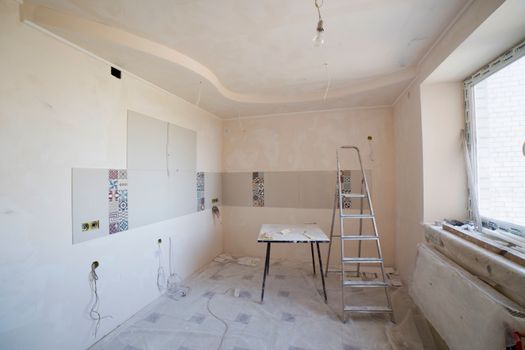
Nobody hires a flooring crew based on a logo. They hire based on what the last job looked like. Upload real photographs: finished living rooms, bedrooms, and kitchens, plus in-progress shots that show subfloor prep and careful transitions between rooms. Before and after pairs are especially persuasive because they make the transformation obvious.
Add photos from the crew, the van, and the showroom if you have one. Refresh the gallery periodically so the profile does not look abandoned, and keep the images honest. A photo of someone else’s work that a homeowner traces back is a trust problem you cannot fix with a caption.
Reviews are the trust and ranking engine
Reviews influence both how you rank locally and whether a homeowner bothers to click. The habit that matters is asking at the right moment, usually at the final walkthrough when the room is clean and the customer is happy. A short, direct ask works better than a vague email weeks later.
Respond to every review. Thank the positive ones without copying the same sentence ten times, and answer critical ones calmly with the facts and an offer to make it right. Follow Google’s review policies when you ask, and do not buy or trade for reviews, since that is the fastest way to lose the trust the profile is built to create.
Complete every field and keep it accurate
Hours, phone number, website link, business description, and service list all matter, and accuracy matters more than cleverness. A wrong phone number or outdated hours costs you the call at the exact moment the homeowner decided to reach out. Update the profile the day something changes, not the next time you think about marketing.
Keep your business name, address, and phone number consistent across your website and the other directories that list you. Inconsistent details create confusion about which version is correct.

What to do if your profile gets suspended or disabled
Suspensions happen, and they are not limited to shady operators. Contractors have found their profiles removed from the map while a dispute with Google plays out, which is a serious problem when the profile is a primary lead source. The response is to review the guidelines carefully, correct whatever does not match, and work through the support and reinstatement options available in the profile dashboard.
While a profile is down, lean on your website, your existing customer list, and paid channels so the phone keeps ringing. Then fix the root cause rather than resubmitting the same details and hoping for a different outcome.
Keep the profile active after launch
A profile built once and forgotten slowly loses ground. The contractors who stay visible are the ones who add photos after big installs, ask for reviews as part of every job closeout, and check their listing details regularly for changes made by Google or by suggestions from users.
Google’s tools change over time, so review your dashboard occasionally for new fields or features worth using. Ask every caller how they found you and log the answers. That simple habit tells you more about whether the profile is producing work than any dashboard metric on its own.
Frequently Asked Questions
Do flooring contractors need a storefront to get a Google Business Profile?
No. Google supports service-area business setups, which let you define the areas you serve instead of publishing a street address. Contractors who work from home or from a warehouse without a showroom commonly use this option. The rules around eligibility and address display can change, so confirm the current requirements in Google’s own help documentation before you submit your information.
What should my primary category be as a flooring contractor?
Use the category that best describes the majority of your revenue, then add secondary categories for services you truly deliver. A company split between carpet and hardwood may need a broader mix than a tile-only shop. Accuracy matters more than volume, because categories that promise work you do not do lead to inquiries you cannot serve and reviews you do not want.
Can I list specific flooring products on my profile?
Yes. Google’s product fields ask for a product name and a product category. The product name can combine a collection name with a color name, and the category might be hardwood flooring, for example. Use the same collection names customers hear in your showroom so the profile and the in-person visit feel consistent to them.
What happens if my Google Business Profile is suspended?
Suspensions occur, and profiles can disappear from the map while the issue is resolved. Review Google’s guidelines, correct anything that does not match how your business actually operates, and use the reinstatement options in your profile dashboard. Keep your website and other channels working while the listing is down so inquiries do not dry up completely.
How many photos should a flooring contractor upload?
There is no number that guarantees results, so focus on quality and freshness rather than hitting a target. Add real finished rooms, in-progress installation shots, and before and after pairs after each significant job. A steady trickle of current work reads as an active business, while a gallery full of old or borrowed images works against you.